Sebastián Unda Endara
I'm a designer.
My mother says that as a child I used to cry in frustration because I couldn’t understand how the sun stayed suspended in the sky. She’s probably exaggerating — her poetic way of saying I was a crybaby and a nuisance — but the image is a good one: me trying to understand how things work before being able to do anything with them. That hasn’t changed much.
I started in 1994, in Guayaquil, doing graphic design because it brought in money to live and study. What I actually wanted to do was industrial design, but what I had was a Mac (obtained thanks to the father of my friend Mario), a printer, and clients who needed things by yesterday. So I did everything: was the first logo, then catalogues, posters, whatever came in. At 23 I ended up managing the visual communications of over a hundred branches of a bank. Not because I was brilliant, but because I said yes to everything and got lucky. That job was a great school — I was lucky enough to have a colleague hand me Six Thinking Hats at exactly the right moment.
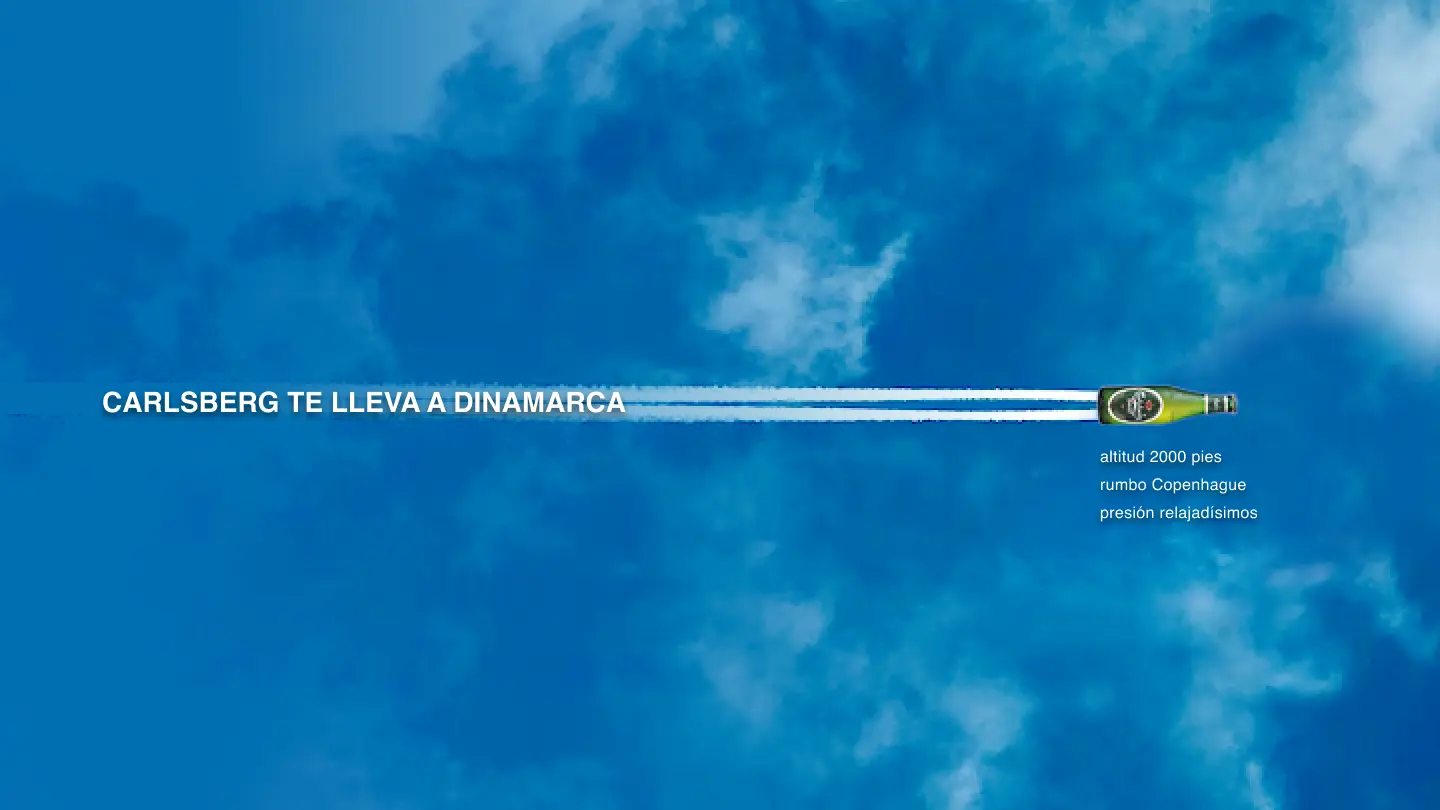
In 2001 I emigrated to the Canary Islands. First Las Palmas, doing freelance work and working for Extra, where a few weeks after arriving I was handed a campaign for . Then Tenerife, and ten years learning how to run a design studio: hotels, local councils, the , consultancies like . I co-founded Pointer with two partners and surrounded myself with people who knew more than me about almost everything.
During that period I spent some time at Elisava in Barcelona. There, a professor put The Wisdom of Crowds and Don’t Make Me Think in my hands — two books that changed the way I thought about what I was doing.
Then came Madrid. Redbility, Ferrovial, McCann, Acciona, UNIR. Large projects with large teams. That’s where I learned that the hard part isn’t designing well: it’s making sure what you design survives the process. Some of those projects are still standing ten years later, untouched. That says more about the quality of the work than any award.
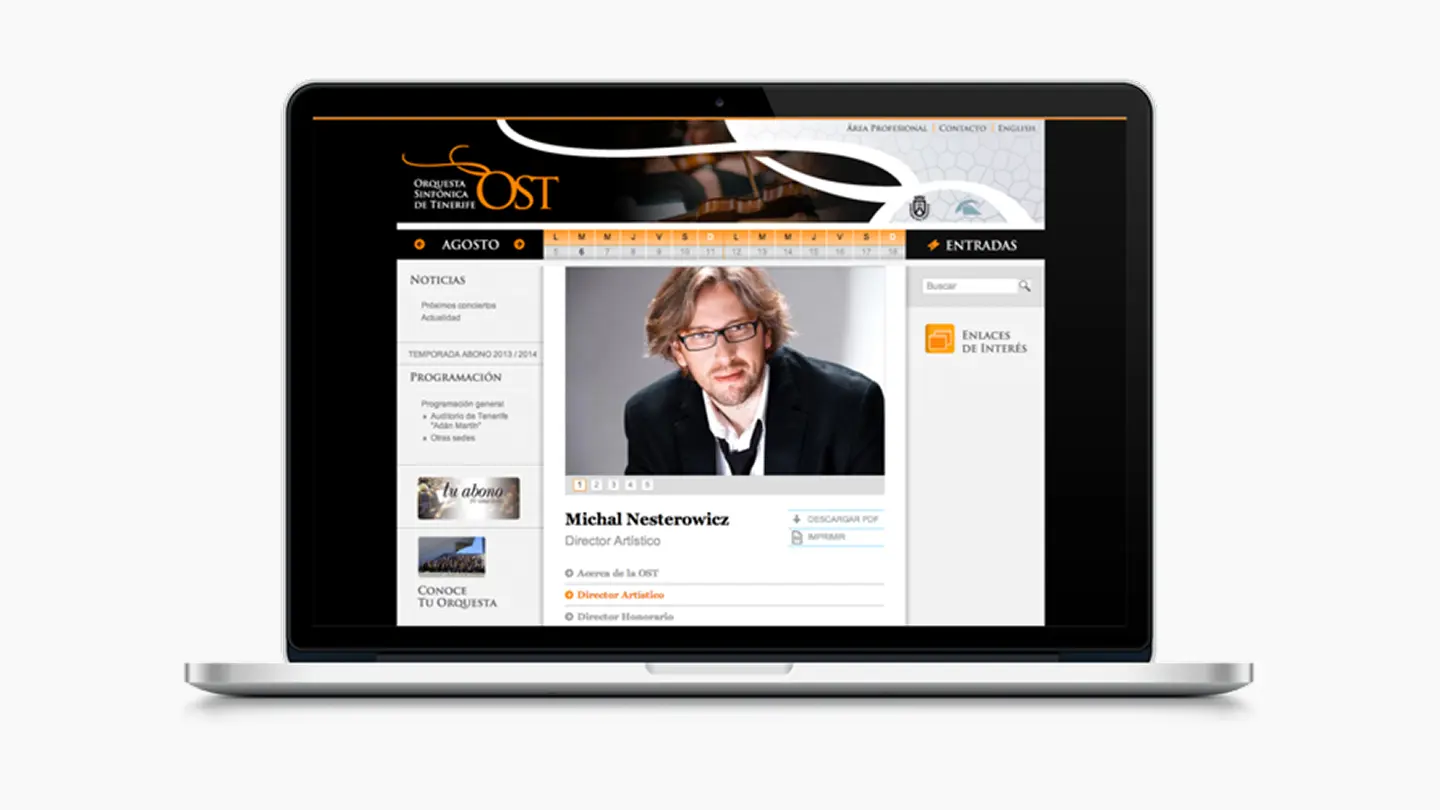
In 2011, Teresa and I founded Elastic. A small studio, deliberately small. The idea was simple: the same people who think through a project should be the ones who execute it. No middle layers. No delegating judgment. We designed the website for the , which fifteen years later is still the same. We built the ecommerce for when selling medication online was still new territory.
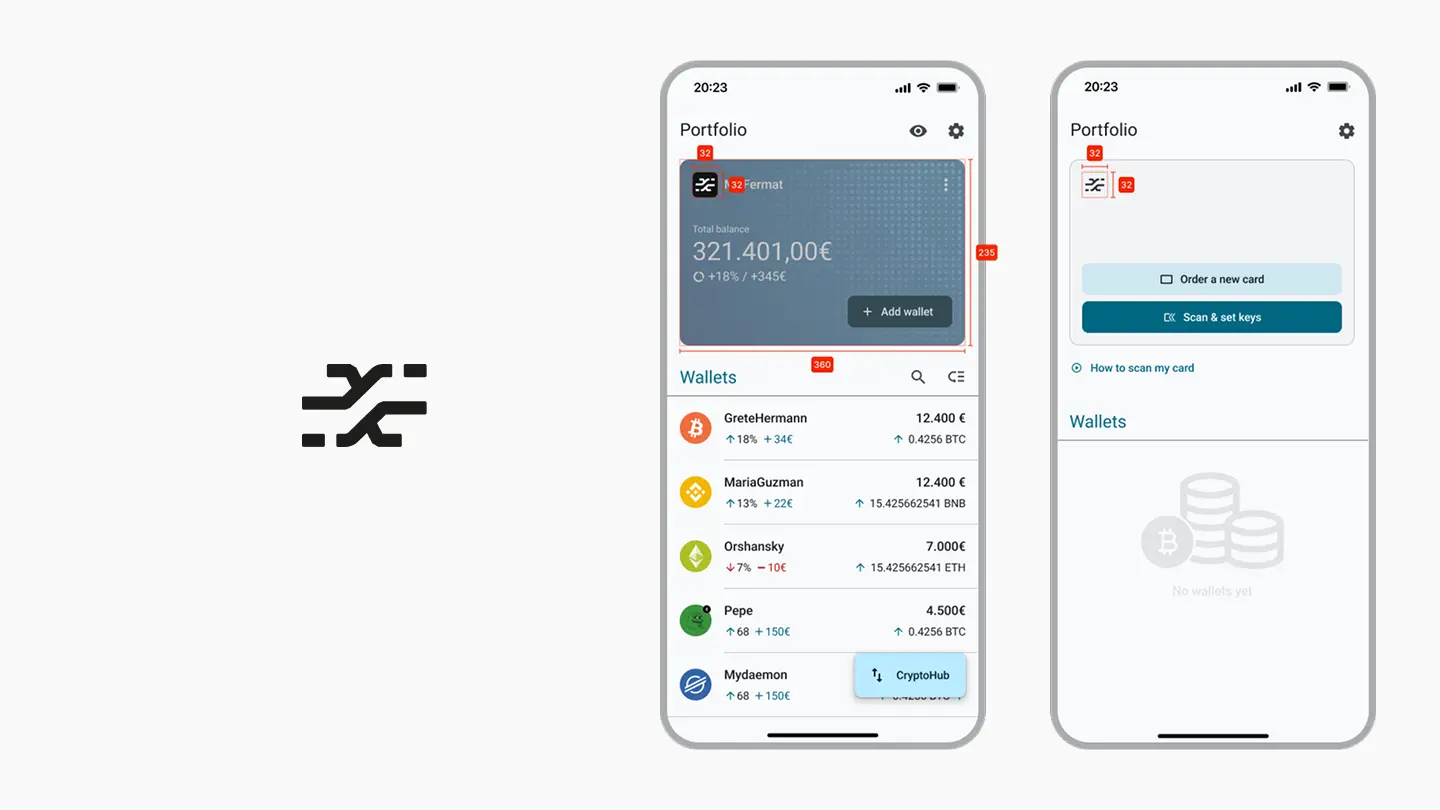
Between 2018 and 2024 I led design at , where we designed and everything around it: app, web, identity, product strategy. A small team working on cryptography, blockchain, and problems unlike anything I’d done before. That’s where I found Feynman — looking for someone who could explain complex things without making them seem more complex than they needed to be.
Today I’m back full-time with Teresa at Elastic, from Tenerife. We work on digital products, design systems, and structures where strategy and execution aren’t separated by a hallway and three meetings.
In parallel I keep developing Signal, a system for structuring how I analyze and develop products. It’s on GitHub, open, documented. Not a theoretical framework: it’s the tool I actually use.
Reading
Not all design books — not even most. These are the ones that changed how I think at the right moment.
One Hundred Years of Solitude, Gabriel García Márquez. The first book I read for pleasure, not as a school assignment, was The Story of a Shipwrecked Sailor. My father had a library full of García Márquez. I think discovering magical realism taught me to look for different ways of telling things.
Six Thinking Hats, Edward de Bono. A colleague recommended it when I joined the bank at 23 with a pile of responsibilities I didn’t know how to handle. I think it saved my life at that moment.
The Wisdom of Crowds, James Surowiecki. A professor at Elisava recommended it in 2007. It opened my mind to understand what was happening with the internet and how enormous groups of people could organize knowledge without knowing each other.
The Laws of Simplicity, John Maeda. Also at Elisava. It gave me a framework for tackling complex problems without adding complexity.
Don’t Make Me Think, Steve Krug. Another professor’s gift. Right on time for understanding how to work on the relationship between people and screens.
Thinking in Systems, Donella H. Meadows. Pandemic reading. I found it while researching how to conceptualize a design system. My brother-in-law, who is enthusiastic about systems thinking, probably recommended it.
All the Names, José Saramago. I found it just before emigrating. Through it I discovered Saramago and learned something about bureaucracy and how we treat people.
Pedro Páramo, Juan Rulfo. I read it late, after hearing the chapter about Rulfo in Grandes Infelices. It connects with García Márquez: another way of telling what can’t be seen.
Surely You’re Joking, Mr. Feynman!, Richard P. Feynman. I sought him out when I started working with cryptography. I needed someone who could explain the hard stuff clearly. Feynman is that someone.
Decisive Moments in History, Stefan Zweig. I don’t remember how it arrived, but it helps you situate yourself in that timeline we all move through.
Today
I’m still working around the same idea that was there from the beginning: understanding how things are built. The tools have changed, the scales too. The question remains the same.
Reference
Dry data for those who need to verify dates, not as a narrative structure.
| Period | Role | Context |
|---|---|---|
| 1994–2001 | Graphic Designer, Marketing Officer | Guayaquil. Agencies, freelance, Banco La Previsora |
| 2002–2010 | Co-founder and Art Director, Pointer | Canary Islands. Own studio with two partners |
| 2011–2014 | Product and Interaction Designer | Madrid. Redbility, various projects |
| 2011–present | Founder and Design Lead, Elastic | Tenerife/Madrid. Product, systems, strategy |
| 2018–2024 | Design Director, eSignus | Digital security, cryptography, product |
Education: JIC, Bachelor of Graphic Design · ELISAVA, Postgraduate in Web Project Management and UX · IEBS, Master in Agile Methodologies · IMMUNE, UX Engineer / UI Developer.