Pan, pan, vino, vino
Talking over each other with my cousin when we were kids was just normal. I remember, at 10 or 11, back when we spent all our time together, our sentences would sometimes line up magically, and we’d say the same word at the exact same moment. I suppose it spiked our dopamine, made us happy, and forced us to trigger a game, a spell.
It was as simple as saying in unison: Pan, pan, vino, vino (bread, bread, wine, wine, a bit of Spanish playground magic), and the fifth word had to be either pan or vino. If you get a coincidence, boom again. That day, you were going to be lucky.
The important thing, and the obvious one, is that we weren’t about to leave the day’s luck to filthy chance, so we’d repeat the spell over and over until it lined up “magically”. Pure luck, no fine print. Heh. That’s how sweet life is when you’re a kid.
Nothing and nobody was going to stop us from being aligned. Thinking alike was magic.
Lately, more than once, I’ve come across people on my LinkedIn feed sharing the exact same concept to illustrate the same reflection, just with some vague tweak to the prompt they fed whichever AI: that there are now more ideas than users; that SEO isn’t dead; that I’ll fix your life because I’m gifting you my Claude protocol, my judgment, surgical, context, adoption, strategy, factor, artifact, blah, blah, blah…
Obviously, my echo chamber is largely to blame, and platforms like LinkedIn make the most of it. But something similar happens in email too: more and more, I get the feeling we’re all talking to the same person. And we choose it ourselves, that’s the trap. Repeating what works is comfortable, and that comfort ends up training us, not the machine.
Mortyplicity
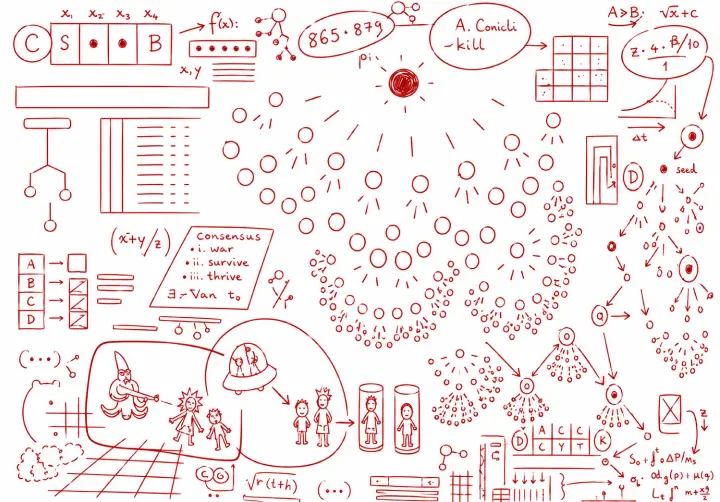
This episode is one of the best in the whole series. It’s a portrait of our times. It feels like we’re stuck inside the clone episode.
Rick builds a decoy solely to protect his family. The problem is that the clones, believing themselves to be originals, start making their own clones, who in turn believe themselves to be originals.
In 1999, Malkovich, Malkovich, Malkovich…
John Malkovich finds the secret door on floor 7½ and decides to go through it. When he does, he steps into his own self, where everyone is John Malkovich and the only word anyone understands is “Malkovich”.
The pursuit of eternal life, controlling your life as the puppeteer, was described 27 years ago in this acid, surreal comedy, a world very much like the one we’re embracing.
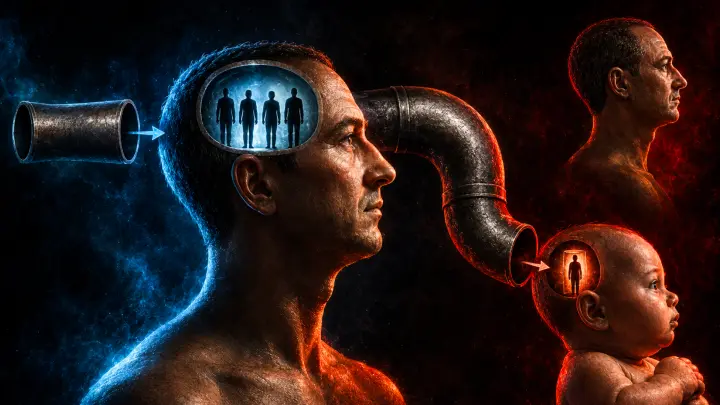
😱 STOP. Still haven’t seen this movie? Then I understand why you’re not where you want to be. I watched it once, and it rewired my brain. Today I’m sharing for free what took me years to understand: study it with surgical judgment, extract the insights, connect the dots, disrupt yourself, and turn it into an unbeatable strategic advantage before your competition does. The 1% already know this. The future was already written. Save this post.
I cloned it myself, in case that wasn’t obvious.
Let’s play
I think the real danger isn’t that machines learn from our data and our behavior, but something subtler: that while we work so hard to make machines sound more and more human, we ourselves, without noticing, keep thinking more and more like machines, meeting halfway, they climb up toward us, and we climb down toward them.
I believe that humans, as gregarious creatures, need to feel comfortable in our own chamber, but we should never stop striving to be the ones who train rather than the trained.
By the way… if you want to feel lucky today, let’s play: